
Off-campus fire safety
At Heartland, we prepare for emergencies such as a fire. We test the alarms frequently and the blue Immediate Action Guides provide helpful information on how to respond.
It’s also important to be aware of fire hazards in your off-campus living space and be prepared in the event a fire does occur. According to the Federal Emergency Management Agency (FEMA), 94 percent of fatal campus fires took place in off-campus housing between the years 2000 and 2015.
Here are some fire safety tips to keep you and your home protected from fire.
Common Fire Hazards
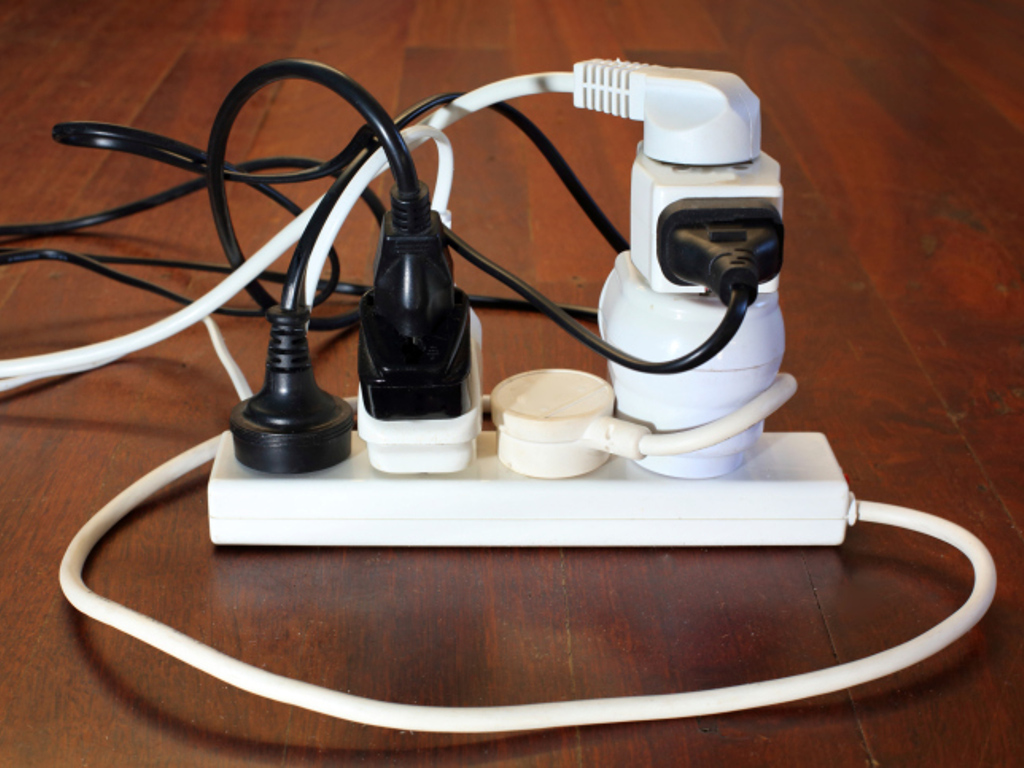
Overloaded Power Strips:
- Only use power strips for light loads such as computers, printers, clocks, etc. (they are not made to handle things like refrigerators, coffee makers, portable heaters or fans).
- If the strip feels hot, replace it.
- Avoid connecting one power strip to another (also known as “daisy chaining”).
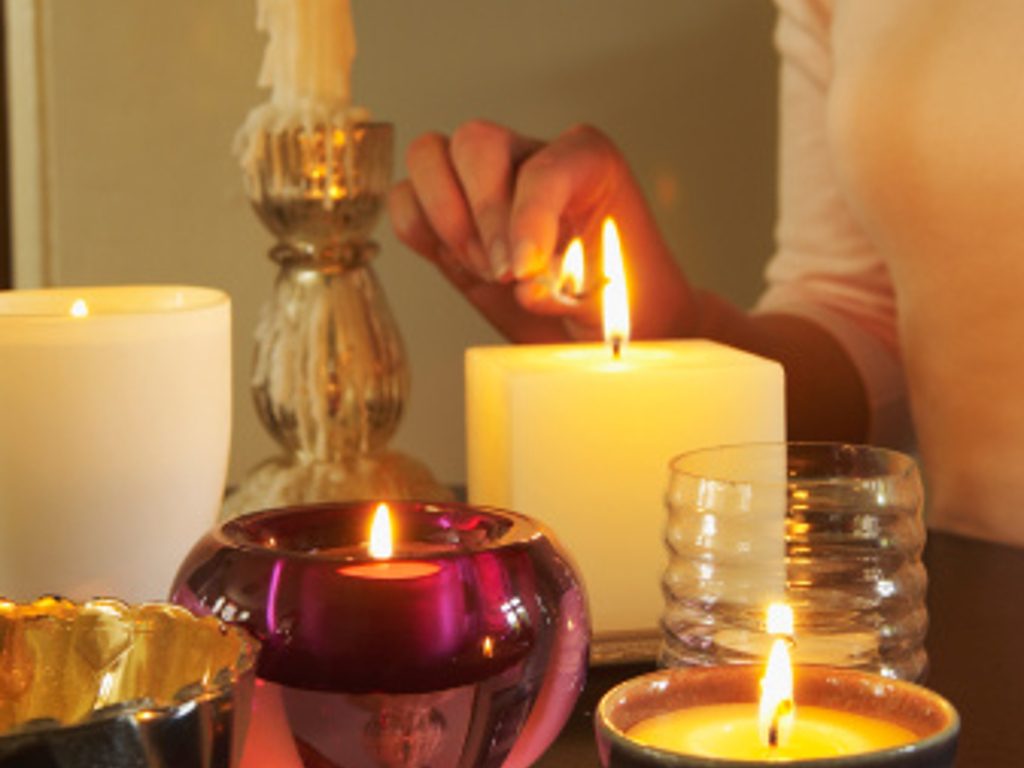
Candles:
- Keep an eye on your candles.
- Extinguish candles before leaving the house.
- Keep candles away from combustible materials and mattresses, bedding, cabinets and curtains.
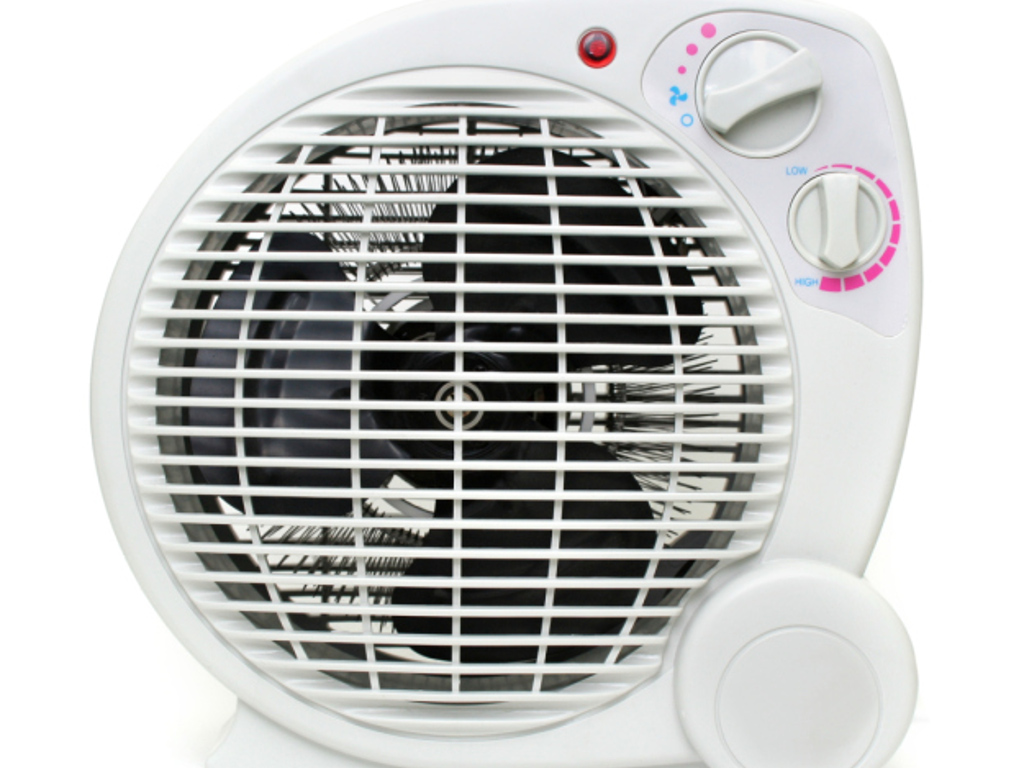
Space Heaters:
- Purchase portable space heaters with an automatic shut off so it turns of if it's tipped over.
- Turn space heaters off when you go to bed or leave a room.
- Place heaters on a solid, flat surface and plug them into an outlet (never into an extension cord).
- If the plug is cracked, damaged or broken, replace it.
Cooking:
- Keep clutter away from your cooking area.
- Never leave the cooking unattended.
- If a fire starts in a microwave, keep the door closed and unplug it.
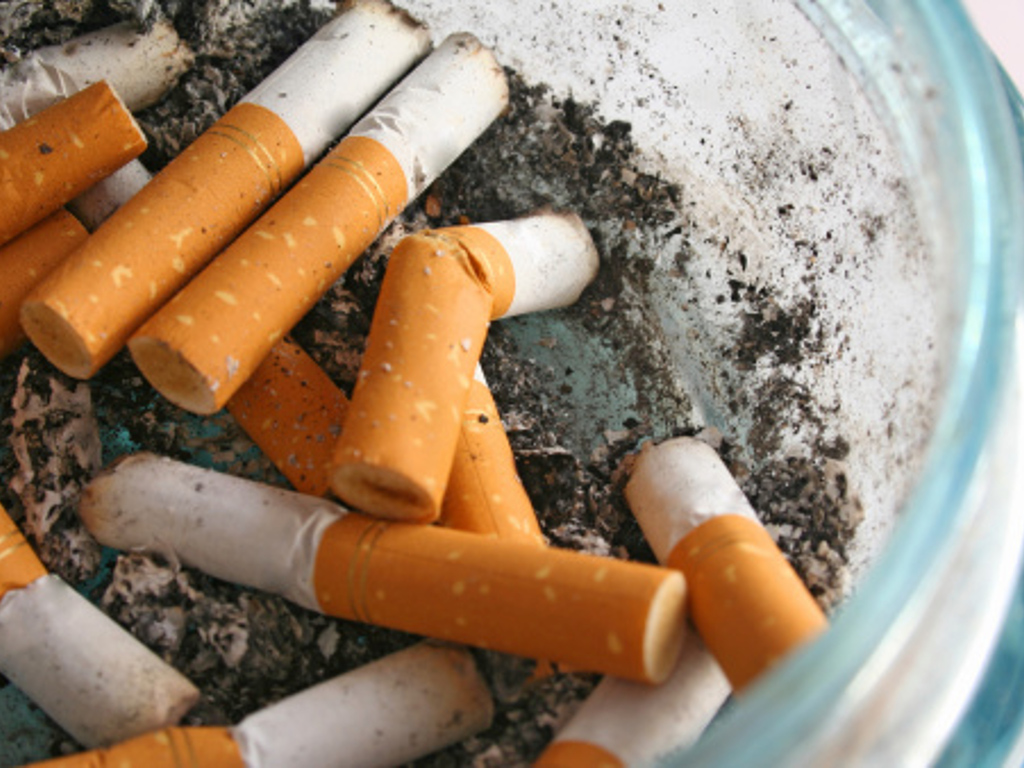
Smoking:
- Make sure cigarettes and ashes are fully extinguished.
- Never toss hot cigarette butts or ashes in the trash can.
- Use deep, wide ashtrays and place them on top of something sturdy.
- Check chairs and sofas for cigarette butts after parties because furniture is highly flammable.
- Avoid smoking when drinking or drowsy.
Off-Campus Living
Here are some other steps to ensure your safety when living off-campus.
In apartments:
- Make sure a sprinkler system is installed and maintained.
- Find out when the last Fire Marshal inspection occurred (should be within past year).
- Ask when the heating system was last inspected (should be within past year).
- Exit doors from each unit should have single-cylinder, not double-cylinder deadbolt locks for fast escape.
In any housing:
- Check for working smoke alarms with back-up power sources in each bedroom.
- Identify two ways to exit any room.
- Look to see if your address is clearly visible so emergency services can find it.
- Make sure windows open easily.
- Remember the word PASS when using a fire extinguisher:
- Pull the pin and hold extinguisher with nozzle pointed away from you
- Aim low, pointing to the base of the fire
- Squeeze lever slowly and evenly
- Sweep the nozzle from side to side
If a fire does occur, exit the building/house and call 9-1-1.
- Stay low to the ground.
- If you're behind a closed door, carefully feel the door for heat.
- If a door is hot, do not open it.
- If there is no exit, phone for help and wait for fire fighters.
Sources:
Written by: Becky Gropp